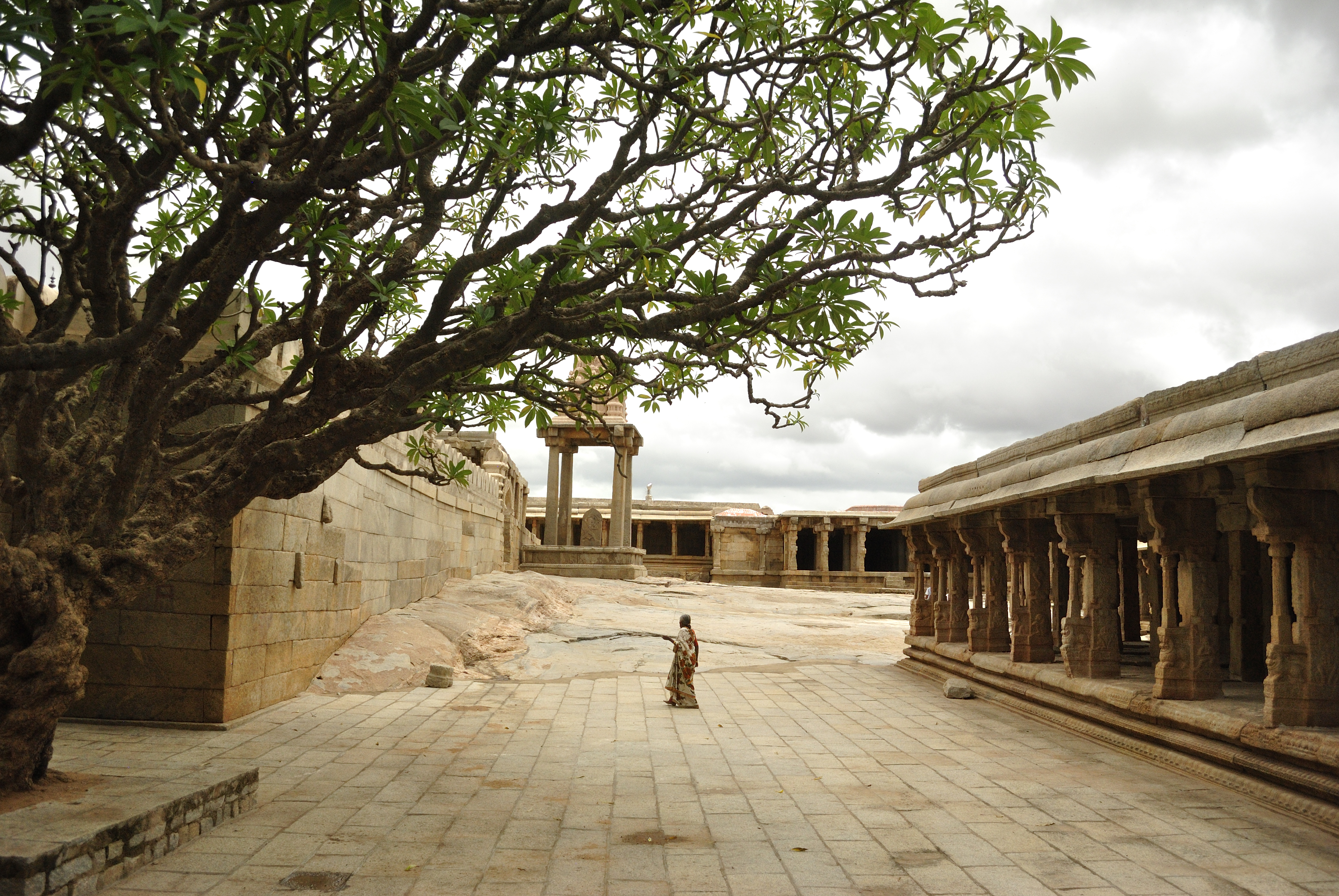
Sunday dawned bright and sky-blue, and decided that she wanted to whisk me away into the pages of history. There are untold cultural riches, she whispered, stories in stone that you’ve never seen before, and a way of life that’s long forgotten.
And so I found myself on the way to Lepakshi – a small temple town on the border of Andhra Pradesh. Craggy mountains abound on the way, and a massive arched entrance welcomes people to the place that’s home to a gorgeous, albeit fast-crumbling, 15th century Virabhadraswamy temple.
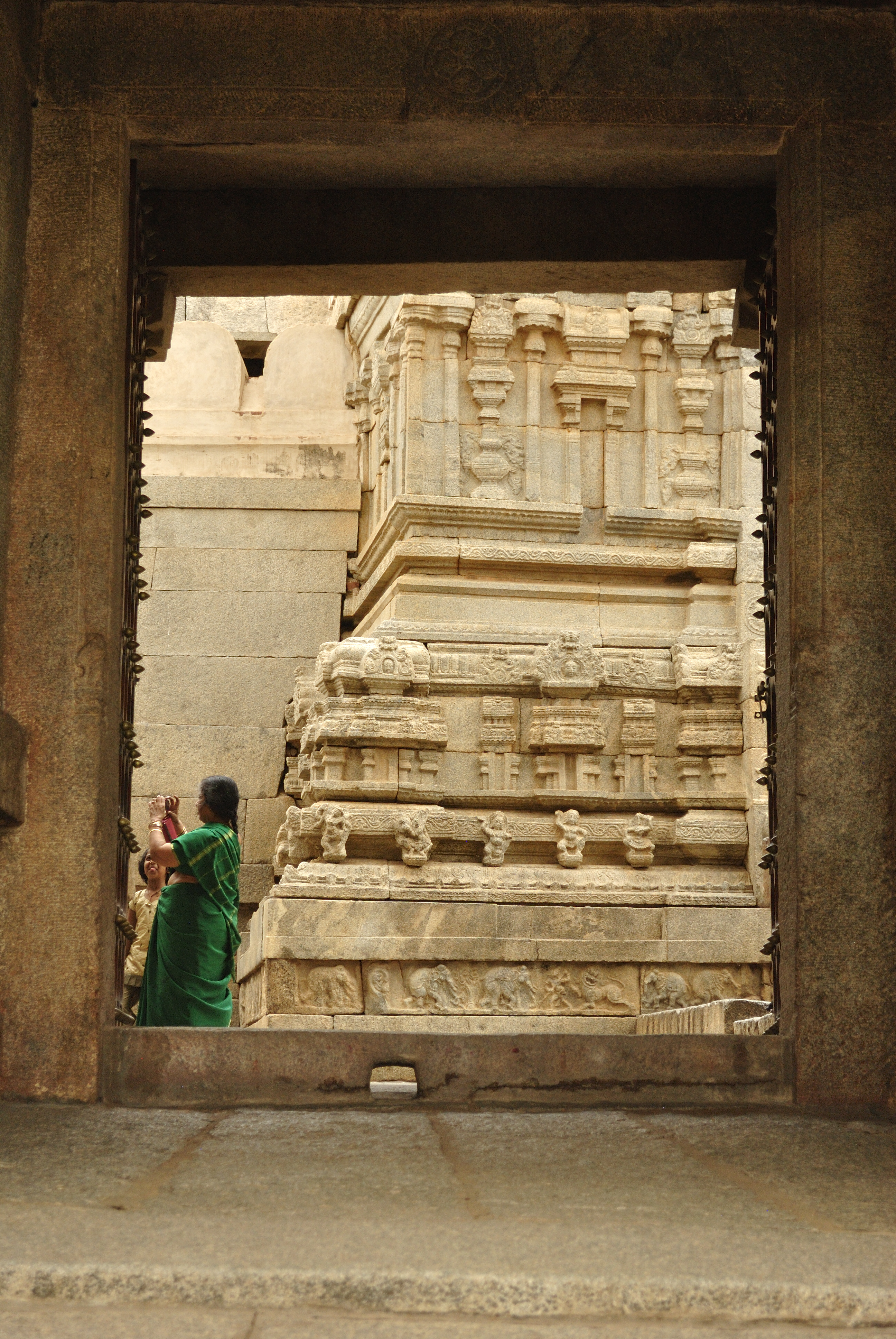
Stepping through the looming doorway, I was instantly enveloped by the ghosts of a historic period that must have been aesthetically rich – typical carvings of lions, horses, and apsaras are given more depth and character through the masonry that created them. The temple stands proud at the center of the stone-walled compound, with a row of Hampi gold-market-like structures running along it. I decided to explore the outside area before venturing in, and found myself fascinated by the uniqueness of the carvings. They’re nothing like the stone carvings I have seen in temples and caves across any of the other historic sites I have visited.
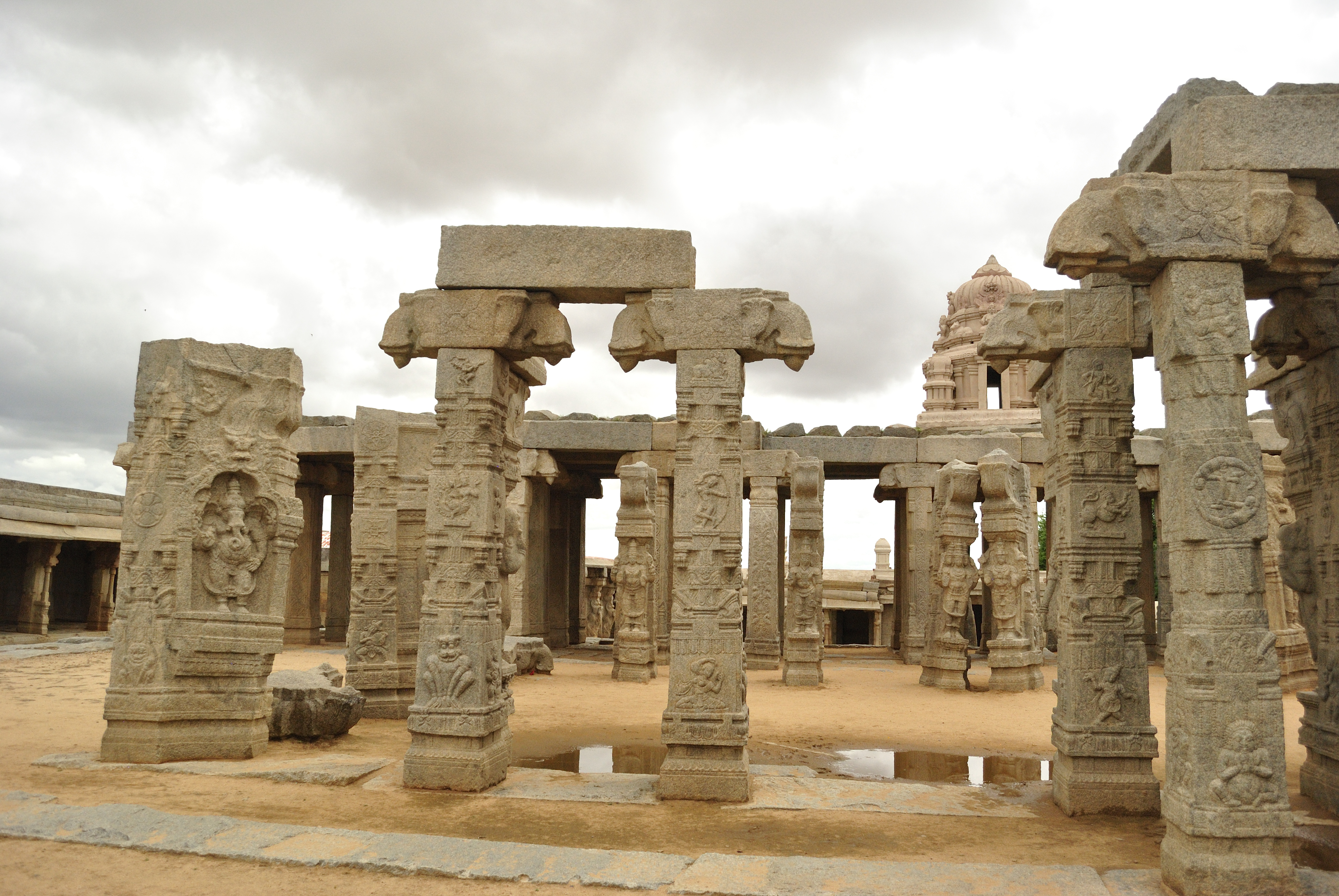
Walking around the back of the temple, I came upon a kalyana mantapa – a space allotted for marriage ceremonies. Despite its dilapidated state, the mantapa is the most impressive part of the temple; stone pillars ornately carved with gods and goddesses surround the central area of the mantapa, simulating the feeling of a marriage ‘blessed by the gods themselves’. A little distance away, a gigantic carving of serpent heads awaits the descent of Lord Vishnu. The contrast of the aged stones against a clear-blue sky dotted with cotton-candy clouds was visually unparalleled.
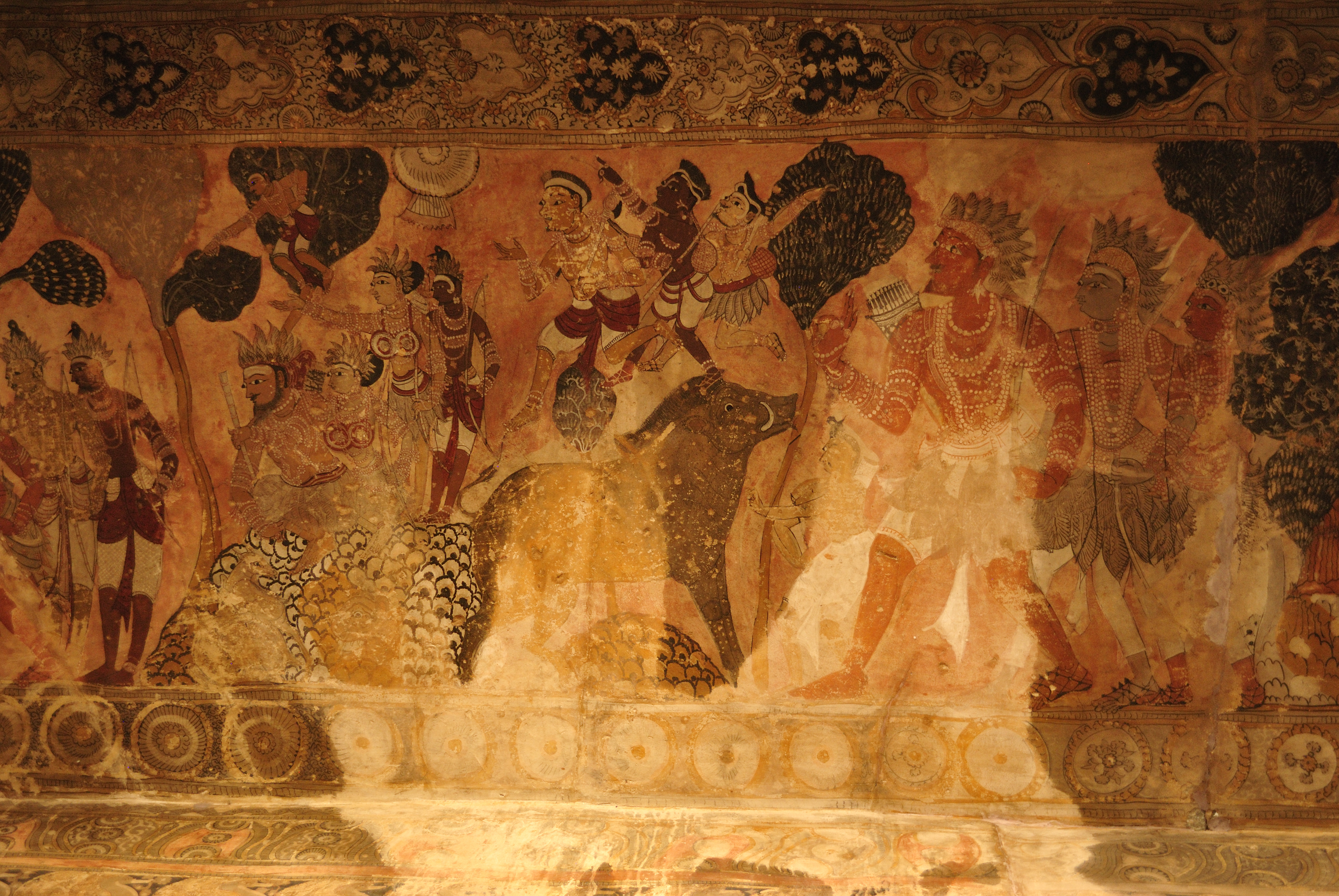
Inside the temple itself, the visual display is quite the opposite – the ceilings are full of fairly well-preserved murals depicting scenes of hunting, weddings, and visits to the king. Again, the style here was vastly different from any mural paintings I have ever seen. The hall before the deity of the temple is the natya mandira – the space for performance arts. The pillars in the space display careful craftsmanship in the forms of dancers and musicians.
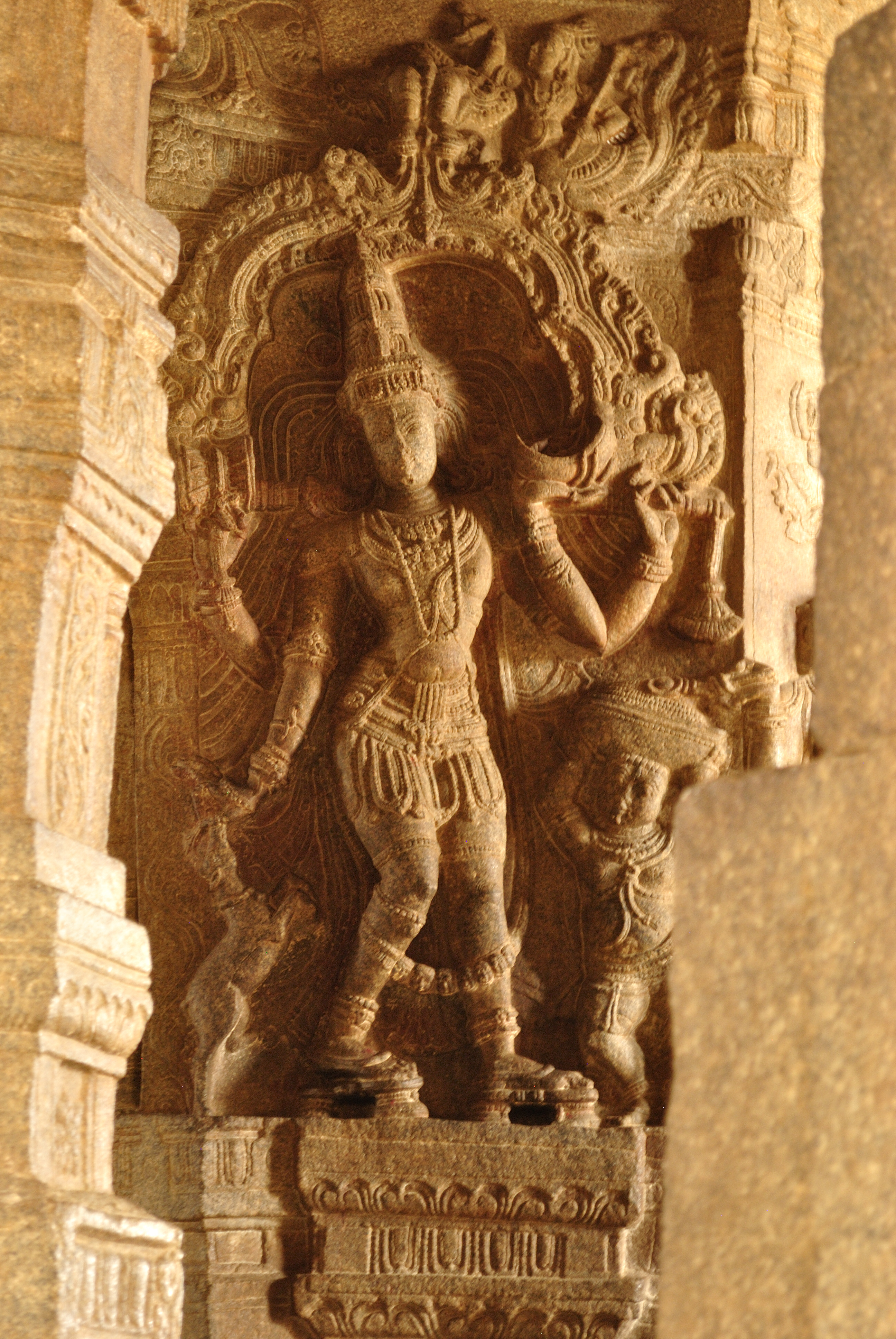
The temple itself is a sanctuary from the outside world, breathing in the surrounding noise and breathing out a comfortable silence. The cool stone slabs offer the perfect reprieve from a burning afternoon sun.
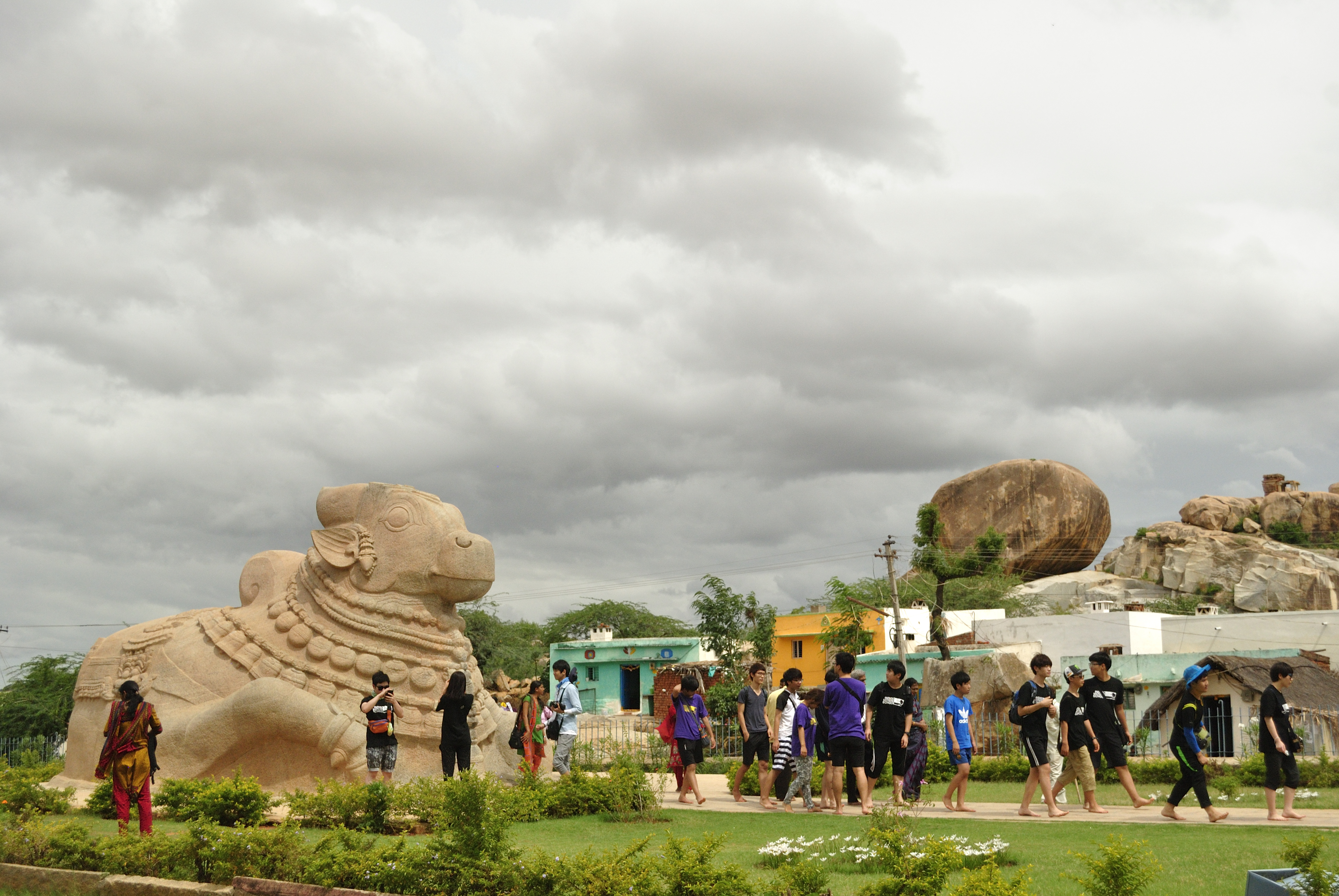
As I sat in the temple and looked around, Sunday evening glided up to me, whispering that it was time to get back to reality. Reluctantly, I big goodbye to the temple priest whom I was just beginning to be friends with and walked away, mentally bookmarking this particular page so I could get back to it whenever I wanted to.
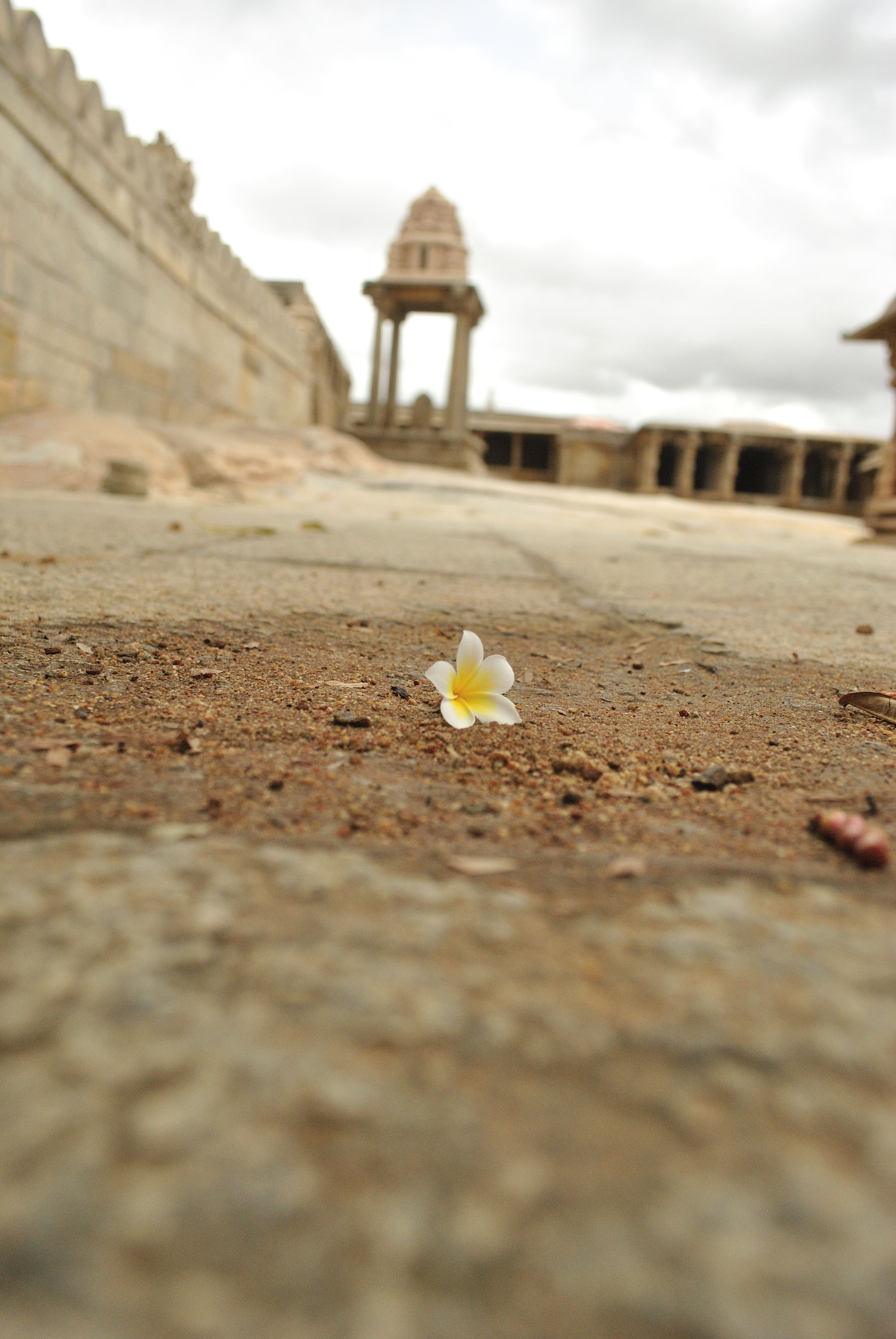
Getting there: Lepakshi is 125 kilometres from Bangalore and easily accessible by road. We went on bikes, but it’s a smooth drive by car as well. The roads are wide and the route, picturesque.
Go if: You don’t have enough time for a weekend getaway, want to explore places around Bangalore, like historic places, temples and stories.



Leave a Reply